Noticing developmental differences can feel overwhelming, but identifying early signs of autism and speaking with your doctor early can make a difference. Autism spectrum disorder (ASD) is a developmental condition that can affect communication, behavior, and social interaction. Every child develops differently, but understanding what to look for can help you take the next step with confidence.
Early Signs of Autism by Age
Many children on the autism spectrum begin to show developmental differences in infancy or toddlerhood, particularly in communication and social skills. Some children meet early motor milestones on time, while others may show motor coordination or developmental differences.
In the sections below, we outline early signs of autism by age, including babies, toddlers, and older toddlers. Not every child will show all of these signs, but noticing several may be a reason to speak with your doctor about early evaluation and support
Signs of Autism in Babies
Early signs of autism in newborns and babies can be subtle and easy to miss during everyday interactions. Around 6 months old, most babies begin to smile socially, make eye contact, and respond warmly to familiar voices and faces. Differences in eye contact or use of gestures may be early developmental signs worth discussing with your pediatrician.
Between 6 and 12 months, babies typically begin to engage in simple back-and-forth interactions, such as sharing sounds and facial expressions. If your baby lacks these early social exchanges, it may be an early sign of ASD. Other early signs of autism include not responding to their name consistently or seeming less interested in social interaction than expected. Noticing any or all of these patterns warrants a conversation with your pediatrician for guidance and support.
Signs of Autism in Toddlers
As babies grow into toddlers, their communication and social skills develop further, which can make signs of autism more noticeable. At about 12 to 18 months, many children begin using words, gestures, and eye contact to connect with others. Delays in speech, limited use of gestures (e.g., pointing or waving), or failure to respond to their name can be early indicators. For example, they may speak very few words, lose words they previously used, or show little interest in interacting with parents or peers.
Autism signs in toddlers can vary, and not every child will show the same behaviors. The key is to look at patterns, rather than a single sign, at this age. When multiple differences in communication and social interaction appear together, it’s likely time to seek professional advice.
Signs of Autism in Older Toddlers
By age 2 or 3, children are typically more engaged with others during playdates or in preschool. Observing how they interact with family and peers can illuminate differences in their communication and social interactions. At this age, autism symptoms in children can include avoiding eye contact, not showing interest in playing with others, or preferring to play alone. Differences in communication become clearer, such as delayed speech or echolalia, which is repeating words and phrases to communicate needs rather than using toddler-appropriate language.
Repetitive behaviors or very strong preference for routines can also indicate early signs of autism at this age. You might notice your child repeating the same actions, becoming upset by small changes, or focusing intensely on specific objects or activities. Other signs may include difficulty recognizing or responding to others’ emotions in expected ways.
Key Developmental Differences in Autism
Children on the autism spectrum demonstrate key developmental differences in how they communicate, connect, and learn, according to AAP (American Academy of Pediatrics) insights. One of the most common early signs of autism in children is a lack of joint attention, meaning a child may be less likely to point something out to share interest or look back and forth between an object and a parent.
Some children can also have difficulty with communication skill development, such as delayed speech, trouble with back-and-forth conversations, or expressing needs clearly. In social situations, they may avoid eye contact, have difficulty recognizing social cues, may engage in play differently, or have difficulty joining peer play. Recognizing these signs is important because they shape how children form relationships, learn from others, and navigate everyday experiences. Early intervention allows professionals to address behaviors and communication challenges through individualized support, helping children build stronger ways to connect and express themselves over time.
Behavioral Signs of Autism in Young Children

Parents of toddlers are familiar with challenging behaviors. Because young children are still developing emotionally and socially, they do not always understand what is expected of them or how to express their needs appropriately.
However, there are distinctions between neurotypical behaviors in children at this age and signs of autism in children. While many behaviors can look similar on the surface, autism-related behaviors are often more consistent and pattern-based over time. The sections below explore three common areas where these differences may be noticed: social interaction challenges, repetitive behaviors and routines, and sensory sensitivities.
Social Interaction Challenges
Many early signs of autism involve differences in social interaction, which can make connecting with others more challenging. Children on the autism spectrum may use eye contact differently or less consistently than expected. They may also have difficulty interpreting facial expressions, tone of voice, or other social cues.
Other common social challenges include not responding consistently to their name, showing limited interest in group play, or preferring to play alone even when other children are nearby. These differences can make everyday social interactions more difficult and may become more noticeable as social expectations increase with age.
Repetitive Behaviors and Routines
Repetitive behaviors and a strong preference for routines are also common early signs of autism in children. Common examples include repeating certain movements, such as hand-flapping, rocking, or spinning objects, especially when overwhelmed or excited. Another behavior is finding comfort in rigid routines. In these cases, changes to daily patterns can be upsetting, even in small ways, like a different route to school or a change in mealtime.
Children may also develop a strong focus on specific objects or interests. They might spend a long time lining up toys, watching the same video repeatedly, or talking extensively about one topic. These behaviors are often used to help manage comfort and predictability in their environment.
Sensory Sensitivities
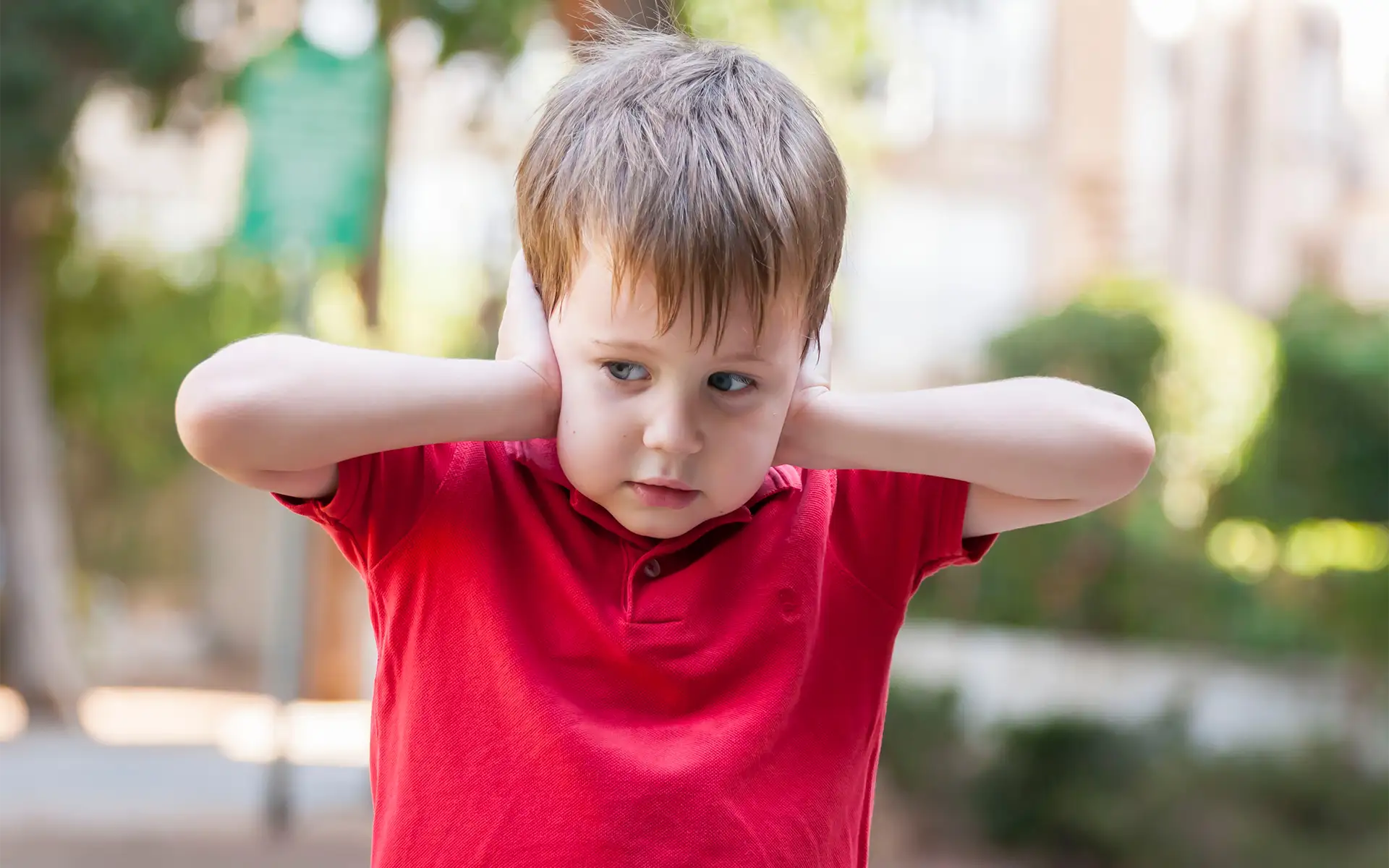
These include reacting more or less strongly to sounds, light, taste, or touch. Some autistic children may find everyday noises, such as vacuum cleaners, hand dryers, or loud crowds, overwhelming or distressing. They may also have difficulty focusing or feeling comfortable when exposed to bright lights or busy environments. Other examples include sensitivity to certain textures in clothing or foods, such as refusing scratchy fabrics or picky eating due to how food feels in their mouth. They might also seek out sensory input more than usual, such as spinning, jumping, or repeatedly touching objects.
How Autism Is Diagnosed and Screened
There is no medical test, such as a blood test, to diagnose autism. Instead, pediatricians and developmental specialists review and assess a child’s behavior and developmental history. This process often involves gathering information about behaviors and interactions from parents, caregivers, and even teachers across different settings.
Autism screening typically begins during routine well-child visits. The AAP recommends developmental and specific screenings for early signs of autism at around 18 months and again at 24 months. Screenings may include questionnaires or checklists that help identify whether a child may benefit from further evaluation.
Any concerns will likely lead to a comprehensive developmental assessment, typically conducted by pediatric therapists, psychologists, or other trained professionals, such as speech-language pathologists. While a screening does not provide a diagnosis, it helps identify early signs, allowing children to be evaluated and supported with timely interventions to improve outcomes.
What to Do If You Notice Early Signs of Autism

If you notice early signs of autism, the most important step is to talk with your child’s pediatrician. Tracking your child’s developmental history, they are positioned to review your concerns and provide routine autism screenings. You can also begin tracking behaviors you observe. Areas to note are communication, social interaction, and play patterns. Writing down specific examples can help your doctor better understand what you are seeing at home.
If concerns continue, your pediatrician may refer your child for a developmental evaluation and recommend early intervention autism services. These supports may include speech therapy, occupational therapy, physical therapy, and behavioral/developmental services. Early support during a child’s development can help improve long-term outcomes and support your child’s growth.
If your child would benefit from therapy or developmental support, KidsCare Home Health offers pediatric physical, occupational, and speech therapy. Our therapists provide personalized therapy services in the comfort of your home.
Learn more about our services today!
Frequently Asked Questions
Can autism be detected in babies under 12 months?
Early signs of autism can sometimes be noticed before 12 months, such as limited eye contact, reduced social smiling, or inconsistent response to name
Is delayed speech always a sign of autism?
No. Speech delays can happen for many reasons during a child’s development. However, they may be one of several signs to discuss with your pediatrician.
What are repetitive behaviors in autism?
Repetitive behaviors are among the early signs of autism, and may include hand-flapping, rocking, lining up objects, or repeating actions, sounds, or phrases.
Can a child show signs of autism and not be autistic?
Yes. Some behaviors overlap with typical development or other conditions, so a professional evaluation is needed for clarity.
What should I do if I think my child has autism?
If you notice early signs of autism in your child, talk with your child’s pediatrician and request a developmental screening or evaluation as early as possible.
How is autism diagnosed in young children?
Diagnosis is based on developmental history, behavior observations, and standardized evaluations by specialists, not medical tests.
What screening tests are used for autism in toddlers?
Common tools include questionnaires such as the M-CHAT, used during well visits at 18 and 24 months.
Can autism symptoms appear suddenly or develop over time?
Autism traits usually develop gradually, though they may become more noticeable as social and language demands increase.
Do all children with autism show the same symptoms?
No. Autism is a spectrum, so symptoms and severity vary widely from child to child.
Can early intervention help children with autism?
Yes, if you notice early signs of autism, early intervention is beneficial to support development and improve long-term outcomes.