Nurses are the backbone of our healthcare system. They keep medical teams functioning at their best while providing compassionate, skilled care that protects patients, comforts families, and changes lives every day. Under the umbrella of nursing, there are many paths to explore, including roles focused on caring for children. Whether you are an experienced nurse looking to grow your expertise or a student considering future specialties, pediatric nursing offers a wide range of meaningful options.
In this blog, we provide an overview of various pediatric nurse specialties. Understanding what is expected in these roles can help with choosing a path that aligns with your interests, strengths, and career goals.
What Are Pediatric Nurse Specialties?
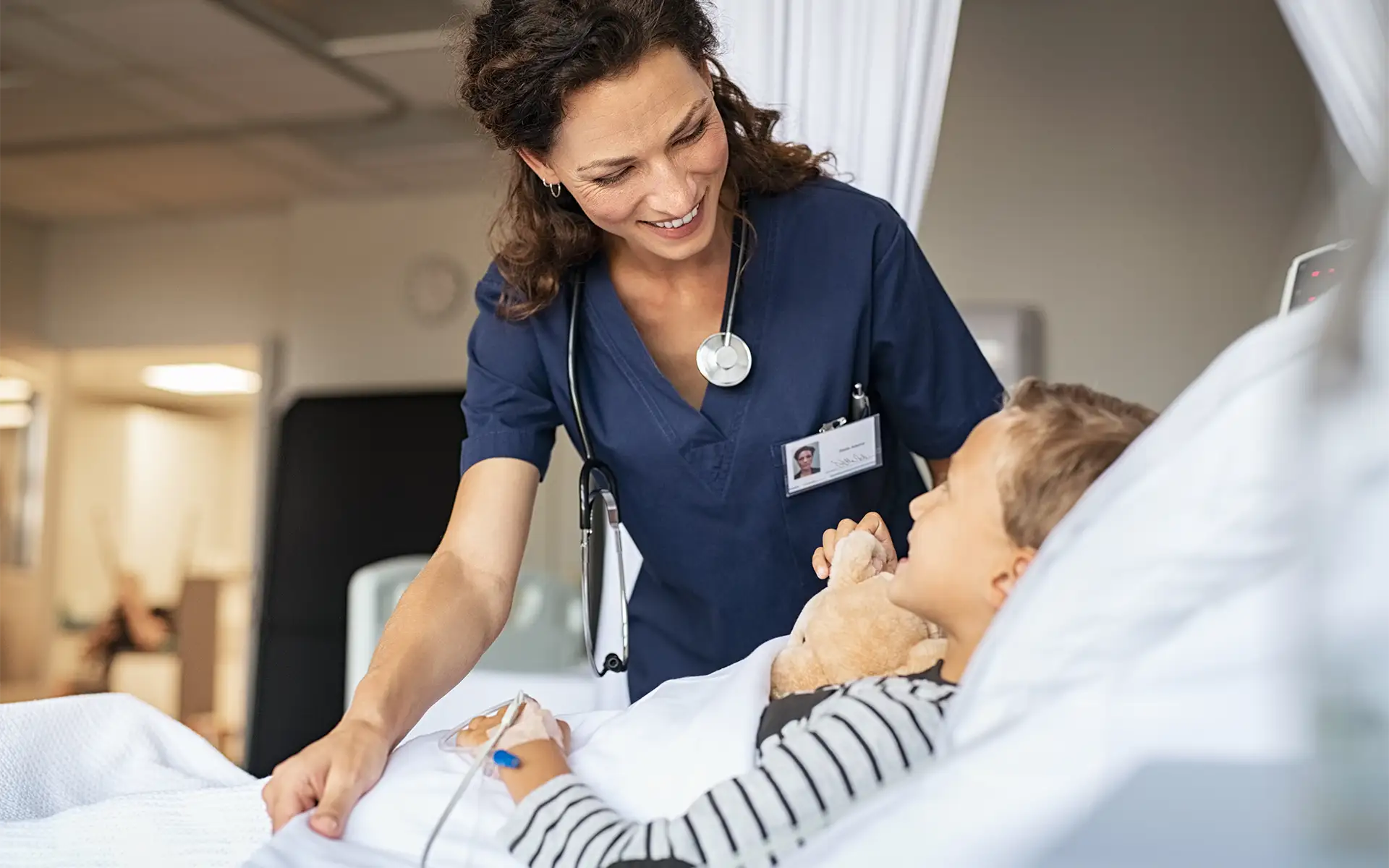
Pediatric nursing focuses exclusively on supporting children, adolescents, and their families through every stage of growth. In this specialty, nurses work closely with pediatricians and other healthcare professionals to meet the medical and emotional needs of young patients, from newborns through young adulthood.
Pediatric nursing specialties include different areas of focus for registered nurses and nurse practitioners. Although responsibilities vary by specialty, all pediatric nurses are trained to understand child development, how illnesses affect younger patients, and how to adapt treatments and medications to their needs. Overall, pediatric nurses play an important part in keeping children healthy, including recognizing early signs of illness and providing appropriate treatment. They also play a valuable role in helping families feel informed, confident, and supported throughout each young patient’s healthcare journey.
Why Choose a Pediatric Nursing Specialty?
Choosing a specialty allows you to focus on children with specific health and emotional needs. Many pediatric nurses are drawn to specialties for the professional growth that comes from mastering them, which can build confidence while advancing careers. Overall, pediatric nursing specialties offer professional development, career flexibility, and the opportunity to make a real difference in the lives of the children and communities you serve.
Pediatric Nurse Specialty Areas for Registered Nurses
Becoming a pediatric registered nurse offers opportunities to practice in a wide range of settings, including hospitals, pediatrician offices, schools, and homes. Different types of pediatric nurses are often defined by the care setting, the age group they work with, or their specific area of pediatric specialization. Let’s explore the various specialties of pediatric nursing in more detail.
Pediatric Medical-Surgical Nurse
Medical surgical nursing is a pediatric specialty. This pediatric nurse specialty involves caring for children in inpatient hospital settings, including general pediatric units and specialty wards. A pediatric medical-surgical nurse offers broad clinical exposure, allowing nurses to work with young patients across a variety of ages and medical conditions. It’s considered a pediatric specialty because it focuses on the unique needs of children recovering from illnesses, injuries, or surgeries.
Pediatric Intensive Care Unit (PICU) Nurse
This specialty encompasses the care of critically ill children who require advanced medical attention and monitoring. PICU nurses are part of a skilled team that uses advanced equipment and careful observation to support each child’s recovery, which requires some emotional resilience. These nurses gain hands-on experience in complex medical situations that require collaboration, quick thinking, and compassionate support for patients and their families.
Neonatal Intensive Care Unit (NICU) Nurse
NICU nurses provide specialized care for newborns and premature infants needing extra medical support. These tiny patients are vulnerable with unique needs, including delicate monitoring and specialized treatments. PICU nurses must combine technical skills with emotional support as they help families navigate the challenges of a newborn in intensive care.
Pediatric Emergency Room Nurse
This pediatric nurse specialty involves caring for children in emergency rooms with severe injuries, illnesses, or trauma. Working as a pediatric emergency room nurse involves extensive hands-on experience while navigating a high-pressure, fast-paced environment that often requires quick thinking.
Pediatric Oncology Nurse
In this specialty, pediatric nurses work with young cancer patients, using specialized knowledge of treatments and medications. The nature of this work requires healthy emotional resilience, as pediatric oncology nurses often support patients for months or years while guiding families through difficult moments. As such, these nurses often build strong relationships with patients and their loved ones through expert care and compassionate support.
Pediatric Home Health Nurse
Pediatric home health nurses provide ongoing care to children with chronic or complex conditions in their own homes rather than in hospital settings. This specialty offers greater independence and flexibility, as nurses manage care plans, treatments, and daily needs tailored to each child. In this role, family collaboration is central to care, allowing pediatric home health nurses to build strong, trusting relationships with patients and their families.
Pediatric Nurse Practitioner Specialties
Pediatric nurse practitioners take their nursing careers a step beyond the registered nurse role through additional education and hands-on clinical training. While registered nurses often focus on direct patient care and coordination, pediatric nurse practitioners are trained to assess patients, develop treatment plans, and manage ongoing health needs beyond traditional RN responsibilities.
Becoming a pediatric nurse practitioner typically involves graduate-level education and specialized training in pediatric care. This advanced preparation allows nurse practitioners to pursue deeper areas of specialization while continuing to work closely with children and their families.

Primary Care Pediatric Nurse Practitioner
A primary care pediatric nurse practitioner focuses on wellness, growth, immunizations, and the management of common acute illnesses and chronic conditions (such as asthma). Primary care PNP’s can work in clinics, schools, or hospitals.
Acute Care Pediatric Nurse Practitioner
These NP’s work in hospital settings caring for children with complex or serious health conditions. This specialty often involves caring for patients in high-acuity situations that require close monitoring and timely decision-making. Acute care PNP’s collaborate closely with physicians and other healthcare professionals to help manage treatment plans and support young patients.
Pediatric Mental Health Nurse Practitioner
This pediatric nurse practitioner specialty focuses on supporting the emotional, behavioral, and psychological well-being of children and adolescents. These NP’s work with patients and families to address concerns such as anxiety, mood challenges, and behavioral differences. As awareness of pediatric mental health continues to grow, this specialty plays an increasingly important role in helping children access stigma-free mental health support.
Pediatric Nursing Specialty Certifications
Licensed pediatric nurses, at a minimum, must have an ADN or BSN. Beyond that, pediatric specialties require specific certifications. For those interested in specializing, a pediatric nursing specialty certification helps demonstrate focused knowledge and experience in caring for children. Earning certifications is also a meaningful way to deepen skills and gain confidence in a specialty area.
Pediatric nurse specialty certification requirements vary depending on the nursing role, specialty focus, and location. Also, some certifications are designed for registered nurses, while others are intended for advanced practice roles such as nurse practitioners.

Certified Pediatric Nurse (CPN)
This certification is for registered nurses and demonstrates their knowledge and experience in pediatric nursing and caring for children. It helps validate a nurse’s understanding of child development, pediatric health conditions, and age-appropriate care approaches while strengthening professional credibility.
Additional Pediatric Specialty Certifications
Pediatric nurses may also choose to pursue additional training or certifications to support specific roles or care environments. Some examples include life support training for pediatric emergencies or specialty education focused on critical care, oncology, or neonatal support. These certifications help build targeted skills and deepen expertise while supporting professional growth.
How to Choose the Right One For You
Determining your best pediatric nursing specialties depends on what is most important to you. It’s important to consider your personality type, preferred work environment, and long-term career goals. For example, nurses who enjoy fast-paced settings and working closely with medical teams may be drawn to hospital-based specialties such as pediatric intensive care or acute care. However, those who value independence, flexibility, and one-on-one relationships may prefer pediatric home health. Ultimately, the best pediatric nursing specialty for you will align with how you work best, the environments where you thrive, and the impact you hope to make over time.
KidsCare Home Health is a leading pediatric home health agency, delivering private-duty nursing (in select states) and pediatric therapy and support services to children in their homes nationwide. If you are interested in a rewarding career in home-based pediatric nursing, we invite you to explore our supportive community, discover what makes us unique, and learn about the nursing opportunities at KidsCare.
Learn more about KidsCare Home Health
Frequently Asked Questions
Is medical-surgical nursing a pediatric specialty?
Yes, medical surgical nursing is a pediatric specialty that focuses on caring for children in hospital settings, providing nurses with broad clinical experience across various conditions.
What certifications do pediatric nurses need?
A registered nurse does not need a specific certification to practice in pediatrics. However, earning general pediatric certification or specialty certifications validates knowledge and skills.
Can nursing assistants work in pediatric specialty care?
Yes, they often assist with daily care and monitoring under the supervision of registered nurses or nurse practitioners.
What’s the difference between pediatric nurses and PNPs?
Pediatric nurses (RNs) provide hands-on care and support, while pediatric nurse practitioners have advanced education and training to assess, plan, and manage ongoing care for children.
Are there different pediatric nursing specialties?
Yes. Pediatric nursing encompasses many specialties, including intensive care, neonatal, oncology, home health, and more. Each specialty focuses on different patient needs and care settings, and you can read more about them in the article above.