
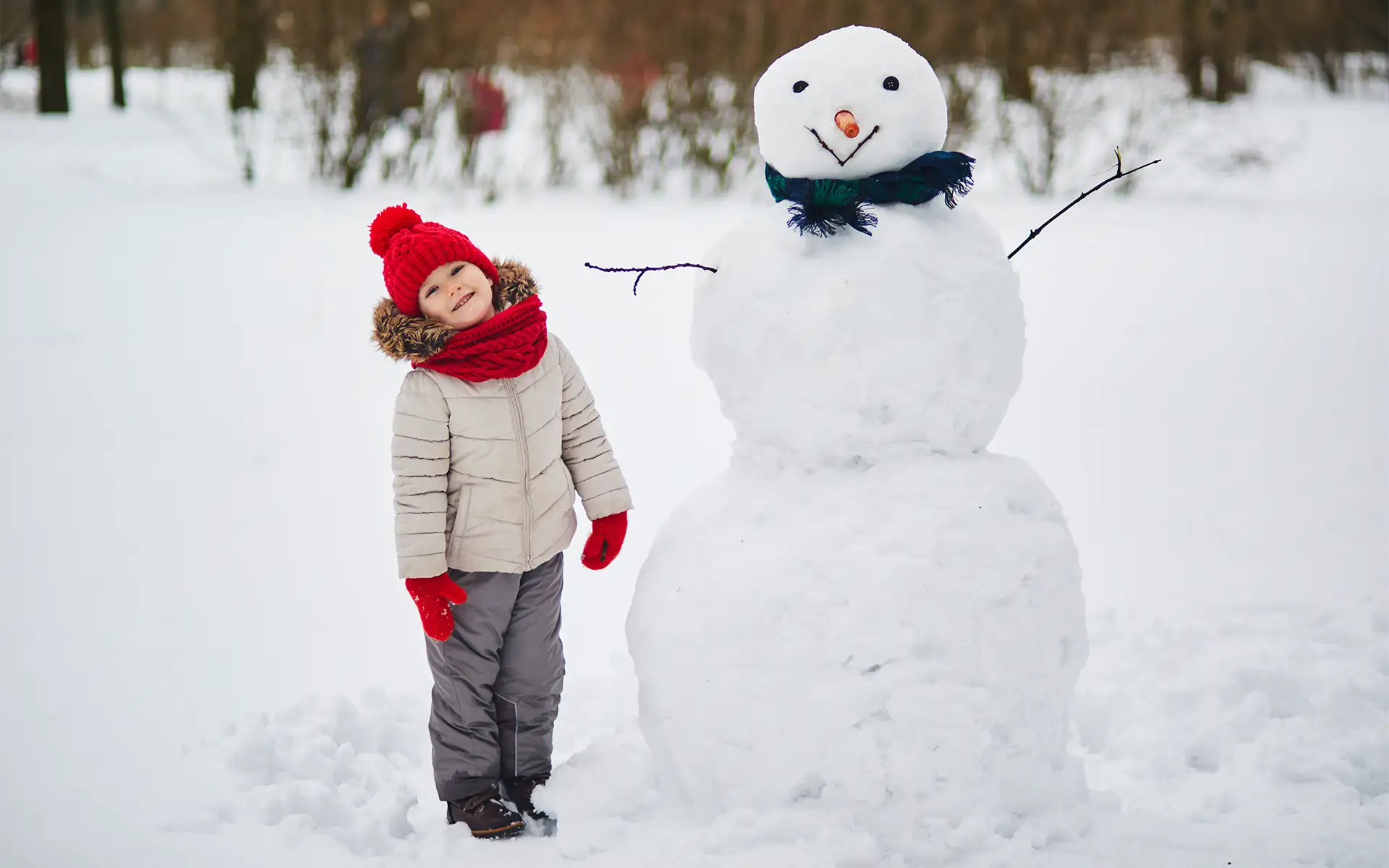
As we usher in a new year, colder temperatures settle in while winter activities take center stage. The season brings plenty of opportunities for fun, from sledding and skating to snowy walks and rainy afternoons. However, a few extra safety considerations, especially for children and infants, are necessary to help our loved ones stay warm and safe.
Whether winter in your area means snow, ice, or chilly rain, proper precautions are essential when navigating the elements. This guide includes essential cold weather advice to help parents create a safe and enjoyable season, both outdoors and indoors. With these cold weather safety tips, you can help your little ones stay protected and ready to make the most of winter!
Understanding Cold Weather Risks
While the season is exciting, dropping temperatures and changing conditions call for extra care in keeping everyone protected from the cold. Understanding the risks is essential to guiding precautions and preparations.
How the Cold Impacts the Body
In general, cold temperatures force the body to work harder to maintain a safe internal temperature, as heat escapes faster than it can be replenished. Blood vessels constrict when cold, reducing circulation to the skin and extremities, making the fingers, toes, nose, and ears especially vulnerable to cold-related risks. Plus, heat loss accelerates in wet or windy conditions, making it feel even colder. Therefore, when not dressed to withstand winter elements, exposure to cold combined with heat loss can lead to cold weather dangers such as frostbite and hypothermia.
Who Is Most at Risk in Winter?
Infants are especially vulnerable in cold weather, as their bodies lose heat more quickly and cannot regulate temperature as efficiently. Falling body temperature is also common in young children, as they tend to spend more time outdoors. Unfortunately, younger children often don’t understand or ignore early warning signs of cold-related injuries. Therefore, prolonged cold exposure can become dangerous if not adequately prepared for.
Dressing Properly for Cold Weather
Yes, words like hypothermia and frostbite are scary for any parent. However, an ounce of prevention is worth a pound of protection. And that protection and safety from cold weather begins with proper dressing, especially when outdoors. The following cold weather safety tips for dressing will help keep your loved ones warm and comfortable.
Layering Basics for Adults and Kids
There is an art to layering in the cold to ensure weather safety for kids. Layers are essential, as they can be put on and taken off easily. The following cold weather layering tips for both kids (and adults) will help them stay warm and safe.
- Base Layer: Choose materials that wick moisture and feel soft against the skin, such as merino wool, polyester blends, or thermal knit fabrics (avoid cotton).
- Middle Layer: This is the insulation layer that traps body heat. Great insulating middle-layer options include fleece, down, and synthetic insulated fabrics.
- Outer Layer: This protective layer shields against wind, rain, and snow, keeping inner layers dry. Opt for water-resistant or waterproof materials, such as nylon or polyester shells.
Although the outer layer should keep everything underneath dry, clothing can still get wet. If this occurs, remove the wet clothing immediately and replace it with dry clothing.
Essential Winter Clothing Checklist
The following winter clothing essentials will help keep kids protected from cold while outside.
- Gloves or Mittens: Essential for keeping little fingers warm. Waterproof options are best in wet or snowy conditions.
- Boots: Insulated, waterproof boots with good traction should be roomy enough for an extra pair of socks and allow toes to wiggle.
- Hats: Covering the head with a hat or beanie reduces total heat loss and helps keep the whole body warmer. Be sure little ears are covered.
- Neck Warmers or Scarves: This layer keeps the neck and upper chest warm by blocking cold air from entering the coat.
- Face Coverings: In very cold weather, covering the nose and mouth reduces heat loss and keeps children more comfortable during outdoor activities.
With younger children, velcro or snap-like fastenings are best for ease and safety. Also, mittens rather than gloves keep little fingers together for additional warmth.
Cold Weather Safety for Infants and Young Children

Winter can be a fun time for outdoor play. However, because children are more vulnerable to cold, understanding safe outdoor conditions is key to preventing discomfort and cold-related risks. These winter weather tips help parents know when outdoor play is safe and how to protect little ones.
Safe Outdoor Temperature Guidelines for Kids
- Below 32°F: Limit outdoor play. Dress infants in extra layers.
- Below 20°F: Avoid prolonged outdoor exposure for children of all ages.
- Wind chill can make temperatures feel 10–20°F colder, increasing the risk of frostbite.
- In general, if it feels very cold to you, it’s likely too cold for a child.
- Have children take frequent breaks when playing in cold weather, regularly checking that their inner layers are dry and extremities are safe.
Infant Winter Protection Tips
Infants and cold weather can be especially risky. Here is some cold weather advice to keep your littlest ones warm and safe.
- In car seats, avoid bulky coats under harnesses and use thin layers or blankets over the straps.
- Dress infants in light, breathable layers for easy removal as needed.
Baby safety guidelines recommend that the sleep space remain clear of pillows, blankets, bumpers, toys, or stuffed animals. This advice holds true even in winter, when the temperatures drop. Therefore, to ensure a safe and comfortable sleeping environment for babies in winter, ensure the room is warm. Avoid blankets and check for overheating if using a sleep sack. Signs of overheating include flushed skin, damp hair, or sweating under layers.
Outdoor Winter Safety and Snow Play Tips
Playing outdoors is fun and invigorating, especially when there is snow on the ground. The following cold weather safety tips will help protect kids while they enjoy all that winter has to offer.
Recognizing Early Signs of Frostbite and Hypothermia
It’s essential to recognize the early signs of these conditions to help prevent serious injuries and ensure children remain protected from cold weather hazards. Requiring frequent breaks offers the opportunity to check for signs of frostbite or hypothermia and ensure clothing remains dry and warm. Signs of frostbite include pale, grey, or bluish skin. Check for cold, hard, or numb areas, especially on extremities. Kids may first feel a tingling or burning sensation, and the skin may feel waxy or unusually firm as frostbite progresses. If any of these symptoms occur, keep children inside and warm the body gradually, avoiding direct heat on frostbitten areas.
Practicing weather safety for kids when the temperatures plummet is essential for preventing hypothermia. Signs of hypothermia include shivering that doesn’t stop, even with added layers, and clumsiness or slow movements. Infants and children also may experience sleepiness or unusual fussiness. Other signs include pale or cold skin, especially on the extremities, and slurred speech or slow reactions in older children.
Safe Snow Play and Sledding Practices
Oh, the magic of the first snowfall of the season! The following winter safety tips will keep kids and adults safe while building snowmen and sledding. For sledding, insist on a properly fitting sports helmet (bike helmets can work, too). Ensure an adult is always present and keep the runs free of obstructions, like rocks and fences. Never pull a sled from a moving vehicle. Inspect the sled for dangerous jagged or sharp edges, and ensure sledders know how to safely roll off the sled if they have to get off quickly. Also, sledders should always sit upright with feet in front.
Making snow angels and building snowmen keeps children warm and entertained during the winter. Aside from ensuring they follow the following snow safety tips, have kids come in about once every hour for snacks, bathroom breaks, fluid replenishment, and clothing safety checks.
- Snow is highly reflective, so protect little eyes with goggles or sunglasses.
- Apply sunscreen and lip balm to protect from sunburn and chapping.
- Avoid playing in snow banks near a road
- Make soft snowballs and never throw at the head, face, or cars
- Avoid building snow forts or tunnels that could collapse and trap a child
- Avoid thin or black ice
- Never eat snow, as it may be dirty or contaminated
Travel and Car Safety in Cold Weather
Winter weather can be unpredictable, making driving conditions hazardous. To ensure a safe car ride, be prepared and follow these winter-driving tips.
- Warm the car ahead of driving (outdoors, away from closed spaces)
- Check tires, brakes, lights, and windshield wipers before winter travel.
- Keep the gas tank at least half full to prevent fuel line freezing.
- Plan routes in advance and allow extra travel time in poor conditions.
- Slow down and increase following distance on snowy or icy roads.
- Never run a car in a closed garage, even with the garage door open.
- Make sure the exhaust pipe is clear of snow before starting the vehicle.
- Do not leave children sleeping in a running car without ventilation.
Winter Car Emergency Kit Checklist
Always be prepared! In case of emergencies, have supplies on hand to tide you over until help arrives.
- Jumper cables
- An ice scraper
- A small shovel
- Necessary medications
- A blanket
- Non-perishable snacks
- A flashlight
- Water
- A phone charger
- Basic first-aid supplies
- Extra hats and gloves, and a dry change of clothes.
Car Seat Safety for Winter
During the winter, we want babies to stay cozy and warm. Although a bulky winter coat may seem like the best option, it can actually be dangerous in car seats because it prevents the harness from fitting snugly. A safer alternative is to dress the child in thin, warm layers. Once snugly secured in the car seat, place a blanket or coat over the baby for additional warmth.
Staying Safe at Home During Cold Weather

There’s nothing like a cozy house and a warm fire during the winter months. However, these comforts can pose a hazard if not properly monitored.
Safe Heating Practices for Homes
Home heating is a critical winter safety topic, and these tips will help keep your home warm and safe from carbon monoxide poisoning, a common hazard. First and foremost, maintain ventilation when heating the home. Begin by ensuring vents, flues, and chimneys are clear of snow, ice, and debris. Inside, check the air intake and exhaust vents, and remove any obstructions during cold weather. Avoid running fuel-burning appliances in enclosed or unventilated spaces. Read the directions for using the space heater thoroughly and follow all safety recommendations.
Carbon Monoxide Safety and Prevention
Carbon monoxide buildup in homes during winter is very dangerous. Sources of carbon monoxide include gas or oil furnaces, fireplaces and wood stoves, gas stoves or ovens used for heating, portable generators, and propane heaters. Since carbon monoxide is invisible and odorless, you can’t tell when it’s building up. Therefore, install carbon monoxide detectors on every level of the home and near sleeping areas as a preventative measure.
When to Seek Medical Help
Exposure to cold weather can become serious if left unchecked. Therefore, if you notice any physical symptoms or abnormal behavior that differs from typical stress signs in children, seek medical attention. Early action helps prevent serious complications, so trust your instincts, especially with infants and young children.
When Frostbite Requires Professional Care
In cases of frostbite, the following symptoms and scenarios indicate the need for professional medical attention.
- Skin stays numb after warming.
- Skin turns white, gray, or bluish and does not return to its regular color after warming.
- Blisters appear on the skin.
- Skin feels hard, waxy, or stiff.
- Pain increases as the area warms.
When Hypothermia Symptoms Need Emergency Attention
The risk of hypothermia is high during the cold winter months, especially if children are not dressed appropriately. With babies, if you notice quietness, low energy, or cool skin, seek immediate medical attention. For children, seek professional medical help if the following symptoms or scenarios persist after gentle warming.
- Uncontrollable shivering or shivering stops suddenly.
- Extreme sleepiness, confusion, or poor responsiveness.
- Slow breathing or weak movement.
- Cold skin that does not warm with blankets.
- Difficulty speaking or unusual behavior.
Winter weather brings fresh, crisp air, rosy cheeks, and plenty of opportunities for kids to head outdoors and let off pent-up energy. However, certain precautions will ensure outdoor play and indoor warmth as safe as possible. These cold weather safety tips help parents and caregivers keep little ones cozy, secure, and happy throughout the winter months. So get out there and enjoy the season safely!
KidsCare Home Health is a pediatric home health agency serving children with special needs across the country, focusing on nursing, speech, physical, and occupational therapy.