
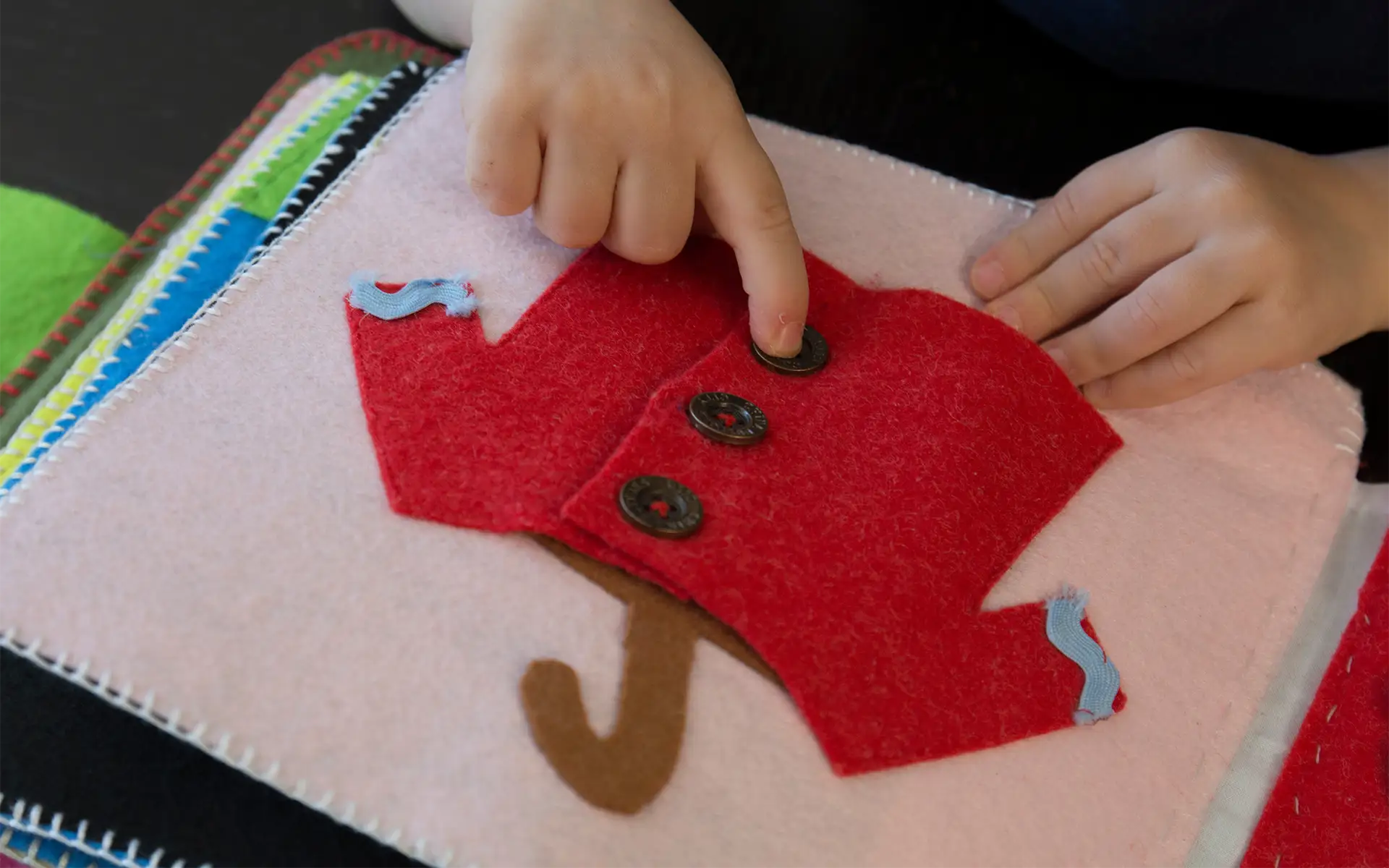
The holiday season is full of planning, decorating, and finding the perfect gifts for everyone on your list. When shopping for your kids, remember that gifts can be more than fun surprises. The right toys can also support their growth and development, encouraging everything from communication and creativity to sensory exploration and coordination. Whether you’re looking specifically for sensory gifts for kids or something that supports learning and development through play, this guide offers plenty of thoughtful options your child will enjoy.
Key Takeaways
- Developmental toys encourage exploration, creativity, and problem-solving, helping children build important skills through everyday play.
- Learn about sensory gifts for kids and other gift ideas that support your child’s developmental stages.
- Consider the child’s interests, abilities, sensory preferences, and developmental stage when choosing speech, developmental, or sensory toys for kids.
Why Developmental Toys Make the Best Holiday Gifts
Children learn about the world through play. Every time they build a tower, turn the pages of a book, explore a new texture, or play a game, they’re practicing skills that support their growth. That’s why developmental toys for toddlers and kids are so special, turning everyday learning opportunities into fun experiences.
When choosing gifts, consider your child’s interests, abilities, developmental stage, and any special needs. A toy doesn’t have to be labeled educational or therapeutic to offer developmental benefits. What matters is how it invites your child to explore, experiment, interact, and practice new skills. With a little thought, you can find gifts that bring holiday excitement and keep supporting learning long after the decorations come down.
Sensory Christmas Gifts for Kids
Sensory play allows kids to explore the world through their senses, including touch, movement, sound, and oral input. It can also engage the proprioceptive and vestibular systems, which support body awareness and balance. Sensory gifts for kids can be especially beneficial for children with autism, ADHD, developmental delays, or sensory processing differences.
When shopping for these types of gifts, think about the experiences your child enjoys. Do they love squishing, squeezing, and exploring different textures? Or do they prefer movement, music, or hands-on activities? Knowing what they’re drawn to, or what may benefit them most, will help you choose the right gifts while meeting any specific needs.
Tactile and Touch-Based Sensory Toys
These types of sensory toys for kids engage their sense of touch through different materials and shapes. They can also support fine motor development as kids grasp, squeeze, pinch, and manipulate objects.
Here are some fun ideas to consider:
- Play dough that they can roll, flatten, pinch, squeeze, and shape to strengthen hand muscles and explore different textures.
- Kinetic sand has a soft, moldable texture that kids can scoop, press, build, and reshape to build hand coordination.
- Sensory bins filled with age-appropriate materials, like pom-poms, fabric squares, dry pasta, or leaves. Include scoops/cups so they can explore, sort, and pour. (Be aware of and avoid choking hazards.)
- Textured balls and blocks with different surfaces that they can touch, squeeze, roll, stack, and compare textures.
- Fidget toys like pop-its and squishy balls that they can squeeze and manipulate.
Vestibular and Movement-Based Gifts
The vestibular system helps children sense movement, maintain balance, and understand their body’s position and orientation as they move through their surroundings. When kids swing, spin, rock, and balance, they get vestibular input that supports coordination and body awareness.
These movement-based toys are great for encouraging active play during the holidays:
- An indoor play tunnel encourages movement, coordination, spatial awareness, and motor planning.
- Balance boards and hopscotch mats challenge children to shift their weight, maintain balance, and coordinate their movements.
- Rocking toys help promote balance and body awareness.
- Age-appropriate mini trampolines are a fun way to practice coordination and balance.
- Scooters and balance bikes help children coordinate their movements while exploring.
Sensory Christmas Gifts for Kids with Autism
When choosing Christmas gifts for a child with autism, consider their individual sensory preferences, interests, and developmental abilities. Every child is different, so a toy that one child likes may feel overwhelming or uncomfortable for another.
Here are some gift ideas that can appeal to different sensory preferences:
- Shape-matching cubes, sorting games, and puzzles encourage problem-solving, visual recognition, spatial awareness, and hand-eye coordination.
- Stretchy putty, play dough, and moldable materials offer tactile exploration while helping children practice squeezing, pinching, and other fine motor movements.
- Foam building blocks and other easy-to-grip construction toys encourage stacking, building, spatial awareness, and creative play.
- Picture cards and visual schedules can help make activities and daily routines more predictable while supporting communication and independence.
- Interactive plush toys that respond with sounds, movements, or gentle music can encourage imaginative play and interaction.
- Noise-reducing headphones or earmuffs can help children who are sensitive to sound feel more comfortable during noisy holiday gatherings and outings.
- Sensory lights and bubble lamps offer engaging visual experiences for children who enjoy watching movement, changing colors, and light.
- Weighted stuffed animals and comfort items such as soft blankets and cozy pillows may appeal to children who enjoy gentle pressure or familiar textures. (Consider weighted products individually, with guidance from the child’s occupational therapist.)
For many parents of children with autism, the anticipation of straying from structured routines can be stressful. So, let your child’s preferences guide your choices, rather than immediately reaching for the most popular or marketed sensory gifts for kids. The goal is to make them feel comfortable, engaged, and excited to play.
If you’re looking for additional ways to make the holidays more comfortable, we offer helpful guidance on supporting and handling autism needs during the holidays. You can also explore calming activities for kids for ideas that encourage relaxation and emotional regulation.
Speech and Language Development Gifts
The best gifts for supporting speech and language development encourage children to interact with others, ask questions, describe what they’re doing, and participate in conversations through play.
Gifts That Build Vocabulary and Storytelling
Books, pretend-play toys, and creative activities give children opportunities to learn new words, describe what they see, and put their thoughts into sentences. These toys for language development can help build vocabulary, strengthen language comprehension, and encourage storytelling.
- Colorful picture books and interactive storybooks give kids opportunities to identify objects, learn new words, describe pictures, and talk about what happens in a story.
- Puppets encourage imaginative storytelling and offer a fun way to practice conversations, describe characters, and create their own stories.
- Play kitchens, doctor kits, tool sets, and grocery store toys introduce everyday vocabulary as kids describe actions, objects, and familiar experiences.
- Picture cards featuring people, animals, objects, and activities can help children create stories, describe scenes, and practice putting events in order.
Outside of gifts, explore these language activities for toddlers for ideas on how to nurture communication in fun, engaging ways.
Games That Encourage Back-and-Forth Communication
Encouraging back-and-forth communication through play helps kids develop important social language skills by listening, responding, taking turns, asking questions, and sharing ideas. Communication looks different for every child, so look for games and toys that let your child express themselves in ways that work for them.
- Board games teach children to take turns, follow directions, respond to others, and communicate during play.
- Balls, beanbags, and simple catch games encourage interaction through gestures, words, requests, and turn-taking.
- Puppet theaters let kids create characters, act out scenarios, and practice conversational exchanges through imaginative play.
- Matching games, conversation cards, and guessing games encourage children to listen, think about responses, and share information.
- Toy microphones or keyboards let kids imitate sounds, sing together, take turns, and respond to musical cues.
Looking for some entertainment inspiration to pass the time while school is out? Explore these holiday speech therapy activities for kids and speech and development activities for kids that encourage learning through everyday play.
Fine Motor and Occupational Therapy Gift Ideas

everyday activities such as grasping objects and drawing. Toys that encourage fine motor activities for kids can help develop hand strength, coordination, dexterity, and the control needed for daily tasks.
Look for fine motor skills toys that encourage building, squeezing, stacking, sorting, drawing, and manipulating objects.
- Interlocking or building blocks and magnetic tiles encourage grasping, connecting, separating, and positioning pieces while developing hand strength and coordination.
- Puzzles and shape sorters let kids pick up, turn, and fit pieces into the correct spaces, helping with precision, visual-motor coordination, and problem-solving.
- Washable markers, paintbrushes, and child-friendly scissors support grasping, drawing, and cutting movements that strengthen hand muscles.
- Large beads and threading activities help with finger control, hand-eye coordination, and two-handed coordination.
- Nesting cups, stacking rings, and small sorting games allow kids to pick up, move, and arrange objects while practicing precision and coordination.
Gross Motor and Physical Development Gifts
Gross motor skills involve the larger muscles of the body used for walking, running, jumping, climbing, and maintaining balance. Developing these skills helps children build strength, coordination, stability, and confidence as they explore their surroundings and participate in life.
Here are some gross motor toys for kids that encourage active play and support development:
- Scooters, tricycles, and balance bikes help improve coordination, balance, and leg strength.
- Balls and beginner sports sets encourage throwing, catching, kicking, and other movements that support coordination and body control.
- Climbing toys and indoor play structures encourage balance, strength, and coordination development.
- Dance and movement games encourage children to follow directions, imitate movements, and explore different ways to move their bodies.
- Balance boards and stepping stones challenge kids to shift their weight, maintain stability, and coordinate their movements while playing.
Educational Christmas Gifts for Kids by Age
We love educational gifts because they encourage learning naturally through play. Children develop new skills at different stages, and the toys they enjoy often change as their abilities and interests grow. So, consider your child’s age, developmental level, and interests when choosing a gift.
Gifts for Infants and Toddlers (0–2 years)
During the first two years, children learn by exploring their surroundings, interacting with caregivers, and discovering how objects work. Look for educational and developmental toys for toddlers that encourage grasping, reaching, crawling, stacking, and early communication to support developing motor, sensory, and language skills.
- Soft blocks and stacking cups
- Alphabet and number toys
- Board and interactive books
- Shape sorters and simple puzzles
- Sound and music toys
Gifts for Preschoolers (3–5 years)
Preschoolers are beginning to recognize letters, numbers, colors, and patterns. As they develop early literacy and math skills, educational gifts combine hands-on activities with imagination to help reinforce these concepts while encouraging creativity and independent exploration.
- Alphabet and phonics games
- Counting and number games
- Matching and memory games
- Science exploration kits
- Art and creative activity kits
- Pretend-play learning sets
Gifts for School-Age Kids (6–12 years)
School-age children are ready to explore more complex concepts and develop interests in subjects such as science, technology, reading, math, and the arts. Educational gifts can help them explore topics they find exciting.
- STEM and robotics kits
- Science experiment kits
- Strategy and logic games
- Books and reading collections
- Creative writing and art kits
- Geography and history games
- Musical instruments and learning kits
The best Christmas gifts aren’t necessarily the biggest, newest, or most expensive. They’re the ones that bring your child joy, spark their curiosity, and give them opportunities to explore the world around them. Whether you are looking for Christmas gifts for kids with special needs or want to support your child’s developmental journey, choose options that meet them where they are and let them discover new things at their own pace.
At KidsCare Home Health, we understand that supporting your child’s development is a journey filled with both big milestones and little victories. Our team of dedicated pediatric therapists is here to help children build skills, gain confidence, and reach their individual goals. We wish your family a joyful holiday season filled with connection, laughter, and plenty of opportunities to grow through play.
Learn More About Our Pediatric Therapy Services
Frequently Asked Questions: Christmas Gifts for Kids with Developmental Needs
What are the best sensory gifts for kids?
The best sensory gifts are toys that match your child’s interests and sensory preferences. Play dough, kinetic sand, textured balls, fidget toys, building blocks, and musical toys can help kids explore different textures, sounds, and movements. Consider what your child enjoys and choose age-appropriate options that make sensory play fun.
What should I buy for a child with autism for Christmas?
When buying Christmas gifts for kids with special needs, like autism, look for gifts that reflect their interests, abilities, and sensory preferences. Some examples include puzzles, building sets, fidgets, interactive games, cozy blankets, and noise-reducing headphones. Since every child with autism is different, consider what they enjoy and avoid toys with sounds, textures, or lights they may find overwhelming.
Are speech therapy toys different from regular toys?
No, as many everyday toys can support speech and language development when used for interactive play. Picture books, puppets, pretend-play sets, and board games encourage practicing vocabulary, expressing ideas, taking turns, and communicating with others. The best choices depend on the child’s communication skills and goals.
What toys do occupational therapists recommend for kids?
Recommended occupational therapy gifts for kids typically include toys that encourage fine motor skills, coordination, balance, and sensory exploration. Building blocks, puzzles, play dough, art supplies, sorting games, and age-appropriate balance toys can help children practice these skills through play. A child’s occupational therapist can suggest options that support their individual goals.
Can developmental toys help kids who are not in therapy?
Yes, developmental toys for toddlers and school-age kids can help them learn and practice skills through play. Books encourage language, building sets support problem-solving, games teach turn-taking, and active toys promote coordination and balance. Any child can benefit from toys that spark curiosity and encourage exploration.