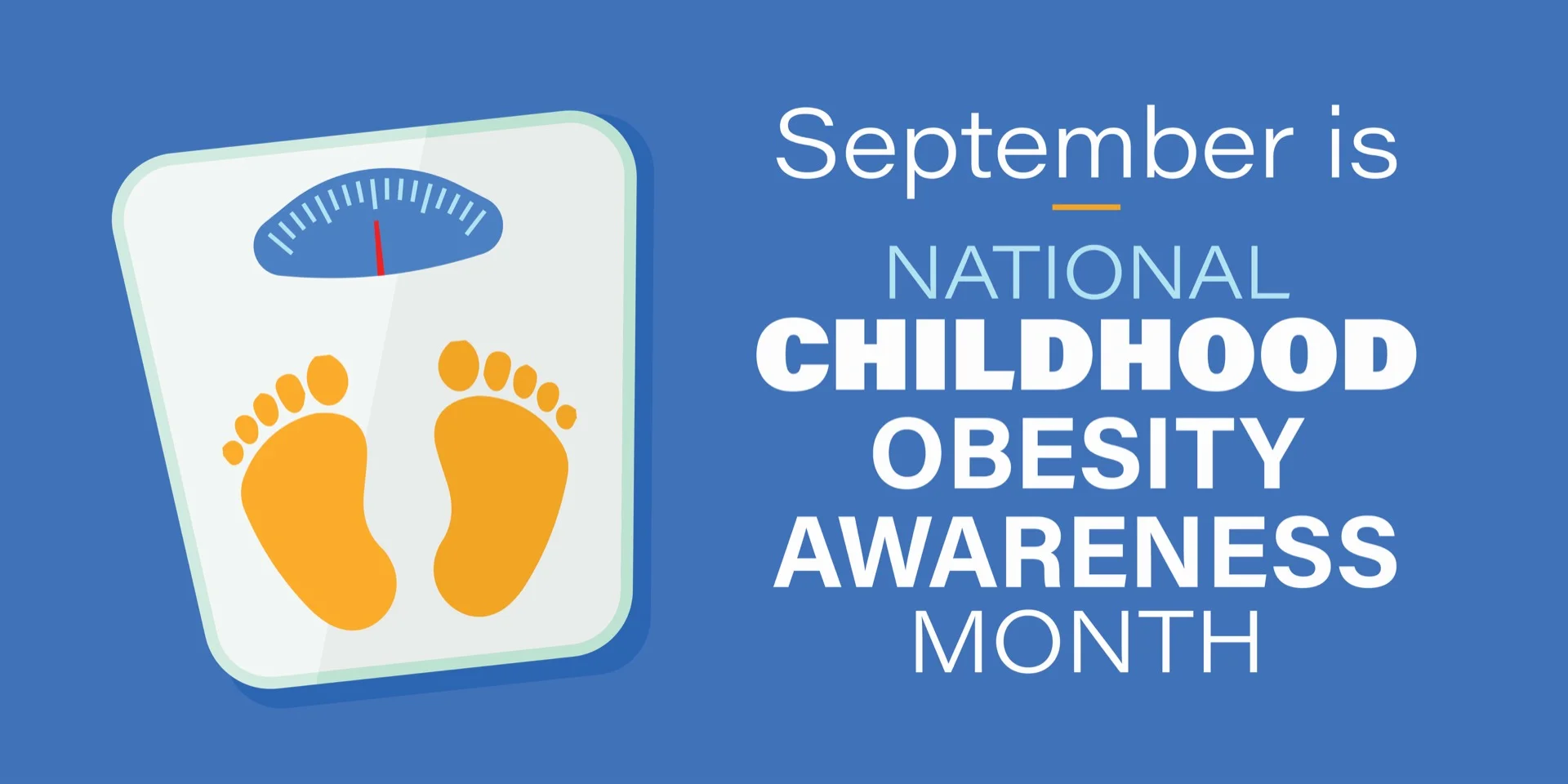
National Childhood Obesity Awareness Month is a month-long awareness campaign observed in September that helps educate families and caregivers on ways to support children in maintaining a healthy weight and establishing lifelong healthy habits.
Key Takeaways
- Learn about the importance of Childhood Obesity Awareness Month.
- Learn about causes and health risks of obesity in children.
- Review strategies for how to prevent childhood obesity.
- Learn how to support a child living with obesity.
What Is National Childhood Obesity Awareness Month?
Childhood Obesity Awareness Month is observed every September. It was established in 2010 by the White House to help address rising rates of childhood obesity and related health risks. Supported by government agencies, schools, and the medical community, it encompasses coordinated efforts to educate and combat the prevalence of this epidemic among children, including associated health risks. National Childhood Obesity Awareness Month helps communities and families understand the complex factors contributing to childhood obesity, including the impacts of:
- Food insecurity and inconsistent nutrition access
- Socioeconomic challenges affecting communities
- Prevalence of inexpensive, unhealthy food options
- Increased recreational screen time
- Reduced physical activity in daily routines
Childhood Obesity in Children: Stats, Causes, and Health Risks
The Centers for Disease Control and Prevention (CDC) states that 1 in 5 children in America has obesity.1 They define childhood obesity as a body mass index (BMI) at or above the 95th percentile for age and sex. When compared to children with a healthy weight, children with obesity have a higher risk of developing asthma, kidney disease, type 2 diabetes, and other health issues. They are also vulnerable to weight-based stigma, teasing, and bullying, as well as more likely to become obese adults and face similar weight-related conditions.2
The Role of Food Insecurity and Access
Research3 indicates that children from food-insecure families may be at greater risk of childhood obesity than their peers. Food insecurity, however, doesn’t necessarily mean a lack of calories. It can also refer to inconsistent access to affordable, nutritious foods. For example, limited access to grocery stores and easier access to inexpensive, calorie-dense options can contribute to unhealthy eating patterns. Food insecurity can also disrupt eating patterns and may lead children to overeat when food is available.
How to Prevent Childhood Obesity
Although genetics can be a factor, many causes of childhood obesity are rooted in lifestyle choices. National Childhood Obesity Awareness Month helps educate families, caregivers, and the community about the kinds of choices and activities that can help prevent children from becoming obese.
Healthy Food Choices for Children
Food choices are closely tied to weight, which is why healthy eating for children is so important. A healthy diet supports cognitive development, physical growth, immunity, energy, focus, long-term health, and more. Also, research shows that early eating experiences can help shape lifelong eating habits.4 Prioritizing a well-balanced diet for children ensures regular access to the nutrients children’s bodies and minds need. It can also help normalize healthy food choices as a natural part of their daily routines.
Physical Activity and Childhood Obesity
Staying physically active is important for maintaining a healthy weight and reducing the risk of childhood obesity in children. The American Academy of Pediatrics recommends children aged 3–5 stay physically active throughout the day. For children ages 6–17, at least 60 minutes of physical activity each day. Physical activity can range from playground time, biking, and walking, to sports and physically active chores or games.
Healthy Sleep and Screen Time Habits
Screens have become integral to daily life, both socially and educationally. However, it’s important to encourage children to regularly disconnect. Studies have shown a clear link between high screen time and an increased risk of childhood obesity.5 Try to limit screen time outside of educational use to under two hours per day. The CDC offers examples of ways to reduce screen time with its Family Media Plan tool.
Sleep is a key part of healthy childhood development, and poor sleep habits have been linked to an increased risk of childhood obesity.5 Here is what the American Academy of Pediatrics recommends for each age group:
- 2 Year Olds: 11–14 hours of sleep, including naps
- 3–5 Year Olds: 10–13 hours of sleep, including naps
- 6–12 Year Olds: 9–12 hours of sleep per night
- Adolescents 13 & Up: 8–10 hours of sleep per night

How to Support a Child Living With Obesity
Helping your child manage childhood obesity begins with understanding and support. It’s important to support their health without making them feel different, ashamed, or discouraged. For parents and caregivers, creating a positive environment around food and encouraging healthy habits is essential.
Building a Positive Relationship With Food
Food choices and eating habits play an important role in weight management at any age. Building a positive relationship with food encompasses helping your child learn to view food as a source of nourishment and enjoyment, fostering healthy attitudes and behaviors around eating.
- Rather than labeling foods as good or bad, focus on how different foods support the body in growing, learning, playing, and staying healthy.
- Offer a variety of nutritious foods at mealtimes without forcing your child to eat them. Some children may need several encounters with new foods before trying them.
- Encourage your child to listen to their hunger and fullness cues.
- Avoid using food as a reward or punishment.
- Make mealtimes positive and predictable, involving your child in meal selection and preparation when possible.
- Lead by example by making healthy food choices as a family.
- Keep the focus on overall health and vitality over weight.
Encouraging an Active Lifestyle
Staying physically active promotes better health and supports weight management. Encourage your child to get at least one hour of physical activity every day. Help them understand that physical activity can take many forms, as long as movement is the focus. Some everyday examples of healthy movement can include walking the dog or playing their favorite song and dancing around the room. Chores like washing a car, vacuuming, or raking leaves also count as physical activity.
Feeding Therapy for Children With Selective Eating or Food Aversions
Some children living with obesity may also experience selective eating, food aversions, sensory sensitivities, or other feeding difficulties. These challenges can limit the variety of foods a child is willing or able to eat, making it difficult to include a wide range of nutritious foods in their diet.
Feeding therapy is designed to help children gradually expand the variety of foods they tolerate and enjoy, address sensory or oral motor challenges, and make mealtimes less stressful. This individualized support can help children become more comfortable with new foods while fostering a more varied, nutritious diet.
When to Talk to a Pediatrician
If you are concerned about your child’s weight, talk with their health care provider. A pediatrician takes a holistic approach, assessing growth, nutrition, physical activity, sleep, and emotional well-being to determine the best next steps. They can also recommend additional resources or specialists if needed. There is no one-size-fits-all approach to managing childhood obesity in children, and working with your child’s pediatrician can help you determine what is right for your child and family.
How Families Can Take Action During Childhood Obesity Awareness Month
Childhood Obesity Awareness Month is a great opportunity for families to focus on healthy habits and make positive changes together. You can prioritize balanced, nutritious meals at home, healthy fast food alternatives for kids, find enjoyable ways to stay active, establish healthy sleep routines, and limit screen time. No matter the approach, focus on progress rather than perfection and remember that you don’t have to make every change at once.
KidsCare Home Health offers highly tailored pediatric home health services designed to help children with developmental disabilities live their best life. Our programs include individualized therapy services for children, including sensory-motor therapy to address problems with chewing, sucking, swallowing, or food tolerance. Offering services in the comfort of each patient’s home, our team of compassionate pediatric therapists provides the best possible care and resources to ensure each child reaches their full potential.
If you would like to learn more, please reach out today.
Contact KidsCare Home Health today for support!
Frequently Asked Questions
How do I know if my child is at a healthy weight?
Pediatricians use BMI for age and sex to assess whether a child is at a healthy weight while also considering growth patterns and overall health. A BMI between the 5th and 85th percentiles is generally considered a healthy weight.
When is National Childhood Obesity Awareness Month?
National Childhood Obesity Awareness Month is observed every September, providing the opportunity to raise awareness about childhood obesity, its contributing factors, and ways families and communities can support children’s health.
What causes childhood obesity in children?
Many factors can contribute to childhood obesity beyond simply eating too much or exercising too little. Other causes of childhood obesity can include genetics, metabolism, eating and physical activity patterns, sleep, food access, and socioeconomic factors.
How can I help my child maintain a healthy weight?
To help your child maintain a healthy weight, parents and caregivers can focus on healthy, sustainable habits. Offer a variety of nutritious foods, limit screen time, encourage regular physical activity and adequate sleep, and model healthy behaviors.
When should I talk to a doctor about my child's weight?
You know your child best, so if you have concerns about their weight, growth, eating habits, activity level, or overall health, reach out to your pediatrician. They can assess your child’s overall health, help you create a management plan, and recommend individualized support when needed.